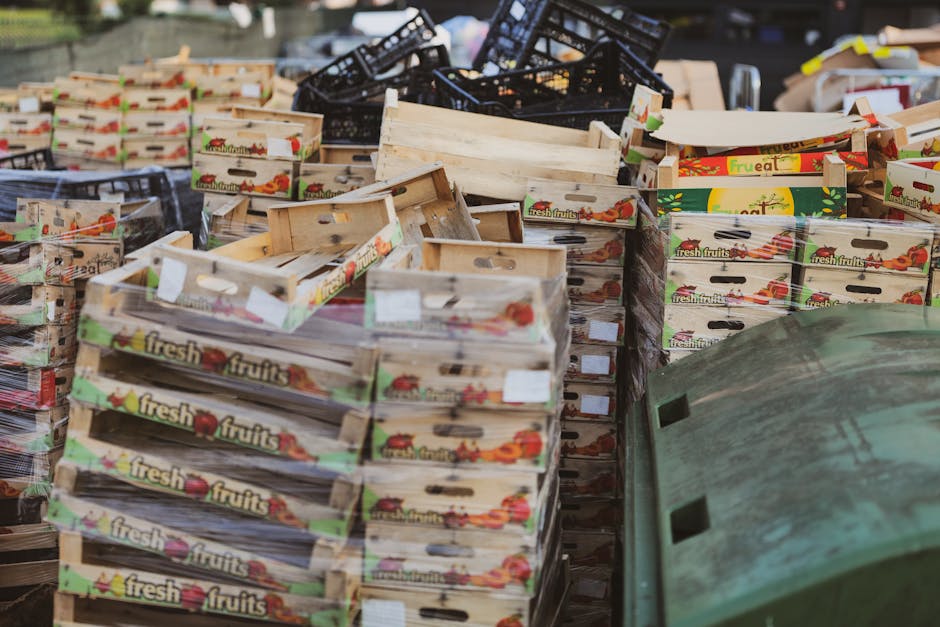
Emergency Bulky Rubbish Collection Near Covent Garden Market

When bulky rubbish suddenly gets in the way, it rarely feels like a small problem. A broken wardrobe leaning across a narrow hallway, a sofa that has to go before guests arrive, or a stack of renovation waste blocking a shop entrance near the market can turn a normal day into a scramble. Emergency Bulky Rubbish Collection Near Covent Garden Market is designed for those moments: fast, careful removal of large items that cannot just be left outside and forgotten.
In a busy part of central London, speed matters, but so does discretion, access planning, and safe handling. You want the space cleared without drama, without damage, and without a long back-and-forth. This guide explains how emergency bulky collection works, what it is best for, where people often go wrong, and how to make the process smoother from the first call to the final sweep-up. If you are weighing up clear pricing and quotes alongside speed, this will help you judge what really fits the job.
Why Emergency Bulky Rubbish Collection Near Covent Garden Market Matters
Covent Garden is not the sort of place where bulky waste can quietly linger. Streets are active, access can be tight, and footfall changes through the day. That creates a simple reality: if a large item needs removing urgently, it usually needs removing properly too. A mattress left in a doorway is more than an eyesore. It can block access, attract complaints, and make a property look unmaintained in a matter of hours.
Emergency bulky collection matters because it protects convenience, safety, and reputation all at once. For residents, that might mean reclaiming a living room after a sofa delivery goes wrong. For landlords or letting agents, it can mean turning a unit around quickly between tenancies. For businesses around the market, it can mean removing packaging, display fixtures, broken furniture, or end-of-life stock before it starts causing friction with staff or customers.
There is also a practical side that people sometimes overlook. Bulky waste is awkward. It scratches walls, strains backs, and becomes a trip hazard if moved without a plan. So yes, speed is the headline. But the real value is controlled speed. The good jobs look almost boring by the end: item out, area tidy, no mess, no stress. That is the goal, really.
Expert summary: Emergency bulky rubbish collection is most useful when access is limited, time is short, and the item is too large or unsafe to handle yourself. In central London, a tidy, planned removal usually beats a rushed one every time.
How Emergency Bulky Rubbish Collection Near Covent Garden Market Works
The process is usually more straightforward than people expect, even if the situation feels messy at first. You describe what needs to go, where it is located, and how quickly it needs to be removed. A good provider will then assess access, item type, and any handling concerns before confirming the collection. Sometimes this can be done very quickly, which is handy when a hallway, courtyard, or shop rear entrance is already congested.
In many emergency situations, the key details are the same: what the item is, whether it can be carried safely, whether it needs dismantling, and whether there are any stairs, lifts, or loading restrictions. A proper bulky collection team will think about route planning, parking, and the time needed to move items without damaging doors, floors, or neighbouring property.
Where needed, the team may separate items for reuse, recycling, or specialist disposal. That is especially relevant for mixed loads. A dining table and chairs are one thing; a broken fridge, a soaked mattress, and a bag of renovation debris are another. If you are dealing with a broader clear-out, services such as waste removal or home clearance can sometimes be a better fit than a single-item pickup.
A simple emergency collection often follows four practical stages:
- Initial enquiry and item description
- Access check and rough job assessment
- Arrival, safe lifting, and removal
- Sorting, sweep-up, and responsible disposal
The best part? Once it is done, the space usually feels instantly calmer. You know the feeling. A room that suddenly breathes again.
Key Benefits and Practical Advantages
Emergency bulky rubbish collection is not just about getting rid of stuff. It solves a handful of real problems at the same time.
- Speed: When a bulky item is blocking access, quick removal can prevent the issue spreading into the rest of the property.
- Safety: Heavy or awkward objects are a common cause of knocks, slips, and strained backs. Professional handling reduces that risk.
- Less disruption: In a busy area near Covent Garden Market, a short, organised visit is usually easier on neighbours, customers, and staff.
- Better presentation: This matters a lot for landlords, offices, and hospitality spaces where first impressions count.
- Responsible handling: Reusable or recyclable items can often be separated rather than simply tipped into mixed waste.
- Access support: Narrow staircases, shared entrances, and awkward courtyards are common in central London; a decent team plans for that from the start.
There is also a quieter advantage: mental relief. A sudden pile of unwanted furniture or broken appliances can dominate a room visually. The mind keeps noticing it. Once it is gone, the whole place feels less pressured. That sounds a bit dramatic, but it is true.
If you have ongoing waste concerns rather than one urgent item, a more structured service such as business waste removal may suit regular needs better than one-off emergency visits.
Who This Is For and When It Makes Sense
This service is useful for a surprisingly wide range of people. The obvious examples are residents needing fast removal of a sofa, bed frame, wardrobe, or old appliance. But the need often shows up in less obvious places too.
Common users include:
- Tenants or homeowners dealing with a sudden furniture replacement
- Landlords preparing a flat for new occupants
- Estate agents handling urgent end-of-tenancy clearance
- Cafes, shops, and offices needing fast removal of bulky fixtures
- Builders or decorators clearing leftover materials and old fittings
- Hospitality venues needing discreet waste removal before opening hours
It makes sense when the item is too big for a standard bin collection, too awkward for a quick self-dump run, or too urgent to leave sitting around. It also makes sense when access is awkward. Let's face it, a three-storey walk-up in central London is not the place to discover a wardrobe was assembled with the confidence of a small engineering project.
If the item is highly specific, the clearer service route helps. For example, mattress and sofa disposal is often the cleanest option for soft furnishings, while fridge and appliance removal is better for white goods that need more careful handling.
Step-by-Step Guidance
If you want the job to go smoothly, the easiest approach is to prepare a little before the collection crew arrives. Nothing fancy. Just practical, common-sense prep.
- Identify everything that needs to go. Walk through the space and separate bulky waste from items you want to keep. It sounds obvious, but in a rush, people often mix them up.
- Check access. Measure doorways, stair turns, lift sizes, and any awkward corners. If there is limited parking or a loading bay issue, mention it early.
- Flag risk items. Glass, sharp edges, heavy appliances, damp furniture, or anything that may contain electrical components should be identified in advance.
- Clear a route. Move smaller objects, shoes, bags, bins, and fragile bits out of the path. A couple of minutes here can save a lot of hassle later.
- Ask about sorting. If the load includes mixed materials, ask how reusable, recyclable, and non-recyclable items will be handled.
- Confirm timing. Emergency does not always mean instant, but it should mean clear expectation-setting. Know the arrival window and whether extra labour is needed.
- Stay reachable. If the crew cannot access the building or needs clarification, being available by phone helps keep the job moving.
A quick real-world example: a landlord in a converted flat near the market discovers an old sofa is blocking a cleaner's access an hour before a new tenant arrives. The fastest route is to clear the hallway, photograph the item for the provider, and confirm whether the sofa needs dismantling. That usually turns a looming headache into a manageable visit. Not glamorous, but effective.
Expert Tips for Better Results
In our experience, the jobs that feel smoothest are the ones where the customer gives a little more context than they think is necessary. A photo of the item, the floor level, and a note about parking can make a real difference. It saves back-and-forth, and it helps the team bring the right tools and enough people.
A few practical tips:
- Take one wide photo and one close-up photo if you can.
- Mention whether the item has already been partly dismantled.
- Tell the provider if the property has narrow stairs or no lift.
- Separate hazardous or questionable materials from standard bulky waste.
- If timing is tight, be clear about the latest possible collection time, not just the ideal one.
- For larger jobs, ask whether the team can also handle related items in one visit.
It also helps to think in categories rather than individual objects. A single broken chair is different from a room full of mixed bulky waste. If you know you are clearing several spaces, it may be worth reviewing services like flat clearance, office clearance, or house clearance rather than treating every item as a separate emergency.
And one slightly boring but useful note: keep corridors open until the team arrives. I know, it sounds like the sort of thing nobody forgets, and yet people do. Especially on a busy morning.
Common Mistakes to Avoid
Most issues in emergency bulky rubbish collection are not dramatic. They are just avoidable. Which is almost more annoying.
- Under-describing the load: "Just a couple of items" can mean one light chair or a sofa plus an appliance plus packaging. Be precise.
- Ignoring access constraints: A narrow stairwell, basement flat, or shared entrance changes the job significantly.
- Leaving hazardous waste mixed in: Paints, chemicals, sharp materials, or damaged electrical items may need separate handling.
- Forgetting building rules: Some properties have time restrictions, concierge rules, or loading limitations.
- Assuming every bulky item is the same: Sofas, fridges, and builders' leftovers do not all belong in the same handling category.
- Waiting until the last minute: If the collection is linked to a move-out, delivery, or inspection, leaving it too late can cause avoidable stress.
Another mistake is chasing the cheapest option without checking what is included. A bargain quote that excludes lifting, dismantling, or cleanup can end up costing more in time and frustration. Cheap is only cheap if the job is actually done properly. Otherwise, it is just a delay with a price tag.
Tools, Resources and Recommendations
You do not need special equipment to prepare for a bulky collection, but a few simple tools help. A tape measure, phone camera, torch, gloves, and strong bin bags can make a surprisingly big difference. If something needs dismantling, keep basic tools nearby so the team can work efficiently if requested.
Recommended practical resources at property level:
- A short item list with rough dimensions
- Building access notes, including lifts and parking
- Any relevant instructions for concierge or reception
- Separate bags or labels for items not being removed
- Photos of any problem items or access bottlenecks
For people planning a larger clear-out, a broader service may be more efficient than ad hoc removal. You might find furniture clearance useful for household pieces, garage clearance for stored clutter and bulky oddments, or loft clearance where items have been sitting untouched for years.
If you want to understand what is usually accepted in mixed loads, the site's guide on what can go in a skip can also help you spot the difference between standard bulky waste and items that may need separate treatment.
Law, Compliance, Standards, or Best Practice
Bulky waste handling in the UK should be approached carefully. The exact responsibilities can depend on the type of item, who owns it, where it is located, and whether it includes anything hazardous or regulated. If you are a homeowner, landlord, or business, it is sensible to make sure waste is handed to a legitimate operator and not left with someone who cannot explain where it is going.
For businesses especially, duty of care matters. In plain English, that means you should take reasonable steps to ensure waste is transferred, handled, and disposed of properly. Keeping records, invoices, or transfer details is a smart habit. It is not glamorous, but it protects you if questions come up later.
Some items deserve extra care. Appliances can contain components that need specialist handling. Mattresses and sofas can be bulky, but they may also need separate sorting because of material mix. If anything is damaged, leaking, or suspiciously chemical in nature, do not just mix it in with standard rubbish. Use the appropriate route, such as hazardous waste disposal, and make that clear before collection.
Good providers should also be able to explain their approach to safety and insurance in straightforward language. If a team is moving heavy items through shared spaces, that is not a small detail. It is the job. For reassurance, it helps to look at their insurance and safety approach, plus their health and safety policy. Those pages may sound formal, but they tell you a lot about how seriously a company handles real-world risk.
Options, Methods, or Comparison Table
Different collection methods suit different situations. The right choice depends on speed, item type, and how much lifting or sorting is involved.
| Option | Best for | Pros | Limitations |
|---|---|---|---|
| Emergency bulky collection | Urgent one-off removals, awkward access, fast turnaround | Quick, targeted, hands-on support | May cost more than a planned collection |
| Standard waste removal | Mixed non-urgent waste and general clear-outs | Flexible and often good for broader loads | Not always ideal when time is critical |
| Furniture-specific disposal | Sofas, wardrobes, beds, tables, chairs | Tailored handling for large household items | Less suitable for mixed loads |
| Room or property clearance | Flats, houses, offices, and full-space resets | Efficient for multiple bulky items | May be more service than you need for one item |
To be fair, the "best" option is often the one that reduces stress, not just the one with the lowest headline number. If you only have one mattress to remove, a dedicated service makes sense. If you have three rooms to clear, a broader clearance is usually more sensible. Simple as that.
For a more appliance-led job, fridge and appliance removal is often the right call. For seating and soft furnishings, mattress and sofa disposal is typically more efficient.
Case Study or Real-World Example
Picture a small serviced office near Covent Garden Market. A reception sofa splits at the seam after heavy use, and the replacement is due the next morning. The old item is too large to leave in a corridor overnight, and the building manager wants the area clear before the cleaners arrive at 7 a.m. Nobody wants a broken sofa greeting staff and visitors at dawn. Not exactly the vibe.
Instead of trying to wedge it into a lift or wait for a routine collection slot, the office books an emergency bulky rubbish collection. The team checks access, confirms the sofa dimensions, and arrives with enough help to remove it without scraping the walls. Because the office has already cleared the route and shared building instructions, the job is quick. The removal is done, the floor is tidied, and the replacement can be installed the next day without anyone having to improvise.
That same approach works for flats, shops, and managed properties. The exact item changes, but the principles do not: communicate clearly, prepare access, and match the service to the problem rather than hoping one generic option will magically cover everything.
Practical Checklist
Use this quick checklist before the collection team arrives:
- List every item to be removed
- Take photos of bulky or awkward pieces
- Measure doorways, stair turns, and lift access if relevant
- Clear a direct path to the item
- Check whether anything needs dismantling
- Separate hazardous, electrical, or wet items
- Confirm parking or loading arrangements
- Make sure someone can answer the phone if needed
- Keep valuables and keepable items safely out of the way
- Ask about sorting, recycling, and disposal if you want reassurance
If the situation is part of a bigger move, refurbishment, or business reset, it may be worth looking at builders waste clearance for renovation debris or office clearance for desks, chairs, and filing items. Matching the service to the load usually saves time.
Conclusion
Emergency bulky rubbish collection near Covent Garden Market is really about regaining control quickly and safely when large unwanted items are causing a problem. In a busy central London setting, the right approach is rarely just "get it out fast." It is get it out fast, with care, with clear access planning, and with the least disruption to everyone nearby.
Whether you are dealing with a single sofa, a damaged appliance, or a mixed bulky load after a move or refurb, the best results come from a little preparation and the right service match. Give accurate details, think through access, and choose a provider that understands both speed and responsibility. That combination is what makes an emergency feel manageable rather than chaotic.
And once the clutter is gone, you really do notice the difference. The room feels lighter. The day feels easier. Strange how much one big item can change a space, isn't it?
Get a free quote today and see how much you can save.
Frequently Asked Questions
What counts as bulky rubbish?
Bulky rubbish usually means large household or commercial items that are too big or awkward for regular bin collection, such as sofas, wardrobes, beds, tables, appliances, and similar objects.
Can emergency bulky rubbish be collected the same day?
Often, yes, depending on availability, access, and the size of the load. The more detail you provide up front, the easier it is to confirm whether a same-day visit is realistic.
Is bulky rubbish collection suitable for flats near Covent Garden Market?
Yes. It is especially useful in flats, walk-ups, and buildings with tight access because the crew can plan for stairs, narrow hallways, and limited loading space.
What should I do before the collection team arrives?
Clear the route, separate keepable items, identify anything hazardous or fragile, and make sure the team has accurate access details. A few minutes of prep can save a lot of hassle.
Do I need to dismantle furniture first?
Not always. Some items can be removed as they are, but dismantling may help if access is tight. If you are unsure, mention the item size and let the provider advise.
Can sofas, mattresses, and appliances all go in one collection?
Often they can, but mixed loads should be described clearly. Sofas and mattresses may be handled differently from appliances, and fridges or other white goods may need extra care.
What happens to the rubbish after collection?
It depends on the item type and condition. Reusable or recyclable materials may be separated, while the rest is taken for proper disposal through the appropriate channels.
How do I know if I need waste removal or a full clearance?
If you only have one or two items, bulky collection or specific disposal may be enough. If you are clearing multiple rooms, a broader service such as flat, house, or office clearance is usually more suitable.
Is bulky waste collection safe in shared buildings?
It can be, provided the team plans the route and handles items carefully. This is where insurance, safety procedures, and good communication really matter.
What if the item is heavy or awkward to move?
Tell the provider in advance. Heavy items may need more than one person, the right lifting equipment, or a plan for dismantling before removal.
Can emergency bulky rubbish collection help businesses as well as residents?
Absolutely. Shops, offices, hospitality venues, landlords, and managing agents often need urgent removal when bulky items block access or create a poor impression.
How do I avoid delays on the day?
Give accurate item descriptions, confirm parking or access arrangements, and keep your phone handy. Small details make a big difference when time is tight.
If you are comparing options or planning a larger tidy-up, you can also review about the company, check recycling and sustainability, or read the terms and conditions for service expectations. For direct help, the team's contact page is the practical next step.