Health and Safety Policy — Flat Clearance Covent Garden
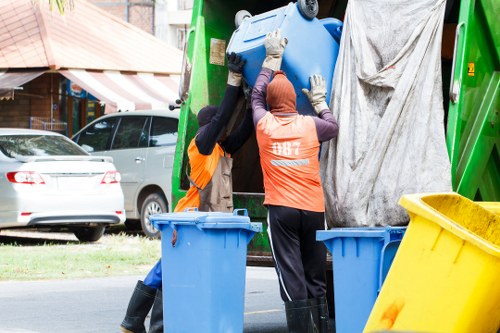 This Health and Safety Policy sets out the obligations, standards and procedures that govern our flat clearance operations and rubbish removal services. The policy applies to all activities carried out by the flat clearance company, including residential flat clear-outs, communal rubbish removal and the handling, sorting and transportation of unwanted items. It is designed to protect workers, temporary operatives, clients and members of the public by defining clear responsibilities and controls in line with applicable health and safety principles.
Our organisation recognises a general duty to ensure safe and healthy working conditions for everyone involved. Managers and supervisors are required to implement risk controls and ensure that staff follow safe working procedures, while every operative has a personal obligation to work safely and report hazards. This policy emphasises precaution, continual improvement and lawful compliance with occupational safety expectations relevant to a rubbish collection and flat clearance business.
 Risk assessment is central to our approach. Before any flat clearance in a property, a competent person will perform a documented assessment identifying likely hazards such as manual handling, sharps and contaminated waste, electrical risks, pests and potential asbestos-containing materials. The assessment will determine the necessary control measures for that specific clearance assignment. Where particular risks are present, we will adopt a hierarchy of controls: elimination, substitution, engineering controls, administrative actions and appropriate personal protective equipment (PPE).
Risk Management, Controls and Safe Systems of Work
Identified hazards are controlled by standard operating procedures for our flat clearance service and rubbish clearance tasks. Controls include safe lifting techniques, use of mechanical aids for heavy items, secure containment of debris and segregated storage for recyclable, non-recyclable and hazardous materials. We will never knowingly transport hazardous waste without appropriate licensing and vehicle containment. Employees are trained on safe routes, manual handling limits and traffic-management procedures when operating at kerbsides or communal loading areas.
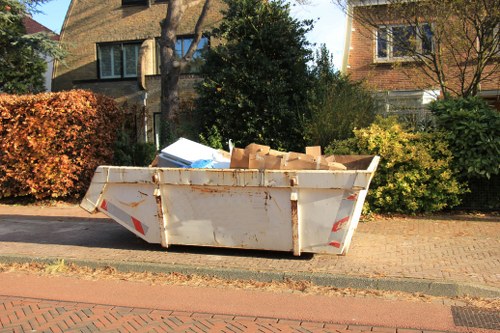 The company maintains a schedule of preventative actions: regular equipment inspections, PPE checks, vehicle maintenance, and a rostered programme of refresher training. Training covers manual handling, hazard recognition, site-specific induction, and procedures for dealing with sharp objects or suspect hazardous materials found during a clearance. Supervisors will ensure that new or temporary staff are monitored until they are competent to work independently.
We incorporate written work permits for higher-risk tasks and maintain an incident reporting and investigation process. Any accident, near-miss or hazardous discovery during a clearance is to be reported immediately; records are kept and actions taken to prevent recurrence. Continuous improvement is supported through internal audits and reviews of clearance procedures, ensuring this rubbish removal service remains effective and legally defensible.
Responsibilities, PPE and Emergency Procedures
Staff responsibilities include following safe systems of work, wearing required PPE (gloves, high-visibility clothing, safety boots, eye protection where appropriate) and complying with vehicle-loading guidance. Supervisors will allocate tasks according to competence, document any necessary control measures and ensure that items suspected of containing hazardous materials are isolated and referred to authorised waste specialists.
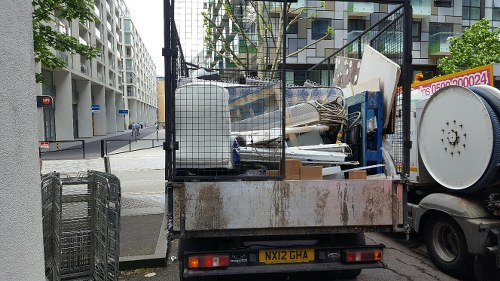 Emergency procedures are established and communicated: first aid arrangements, emergency contact chains, and steps to secure a site where a dangerous substance is suspected. In the event of personal injury, contamination or an environmental release, work will stop until the area is safe and any required external services have been engaged. All operatives are briefed on evacuation routes and assembly points during their induction and regular refreshers.
 The company maintains insurance, incident logs and training records as part of its administrative controls. Regular reviews will update this policy to reflect changes in operations, equipment or law. Clients commissioning a flat clearance or rubbish collection can expect that our team will follow these provisions to protect people and property while minimising environmental impact through appropriate segregation, recycling and disposal practices.
In summary, this Health and Safety Policy for our flat clearance operations clarifies roles, establishes robust risk assessment and control measures, and sets out procedures for emergency response and continuous improvement. It applies to every member of staff and to contracted operatives engaged in any form of waste removal, flat clearance or rubbish collection. By adopting a structured approach to hazard management and worker competence, we aim to deliver a professional, safe and legally compliant flat clearance service while reducing risk to the public and the environment.
Key points include:
- Risk assessments before each clearance;
- Clear delegation of responsibilities and competence checks;
- Documented procedures for handling hazardous finds and incident reporting;
- Provision and use of appropriate PPE and safe equipment;
- Commitment to review and continuous improvement of the rubbish removal process.
This policy will be reviewed periodically and updated to reflect operational changes and legal requirements. Compliance with these provisions is mandatory for staff and contractors involved in flat clearance and associated rubbish removal operations, ensuring safety for personnel, clients and the wider community.