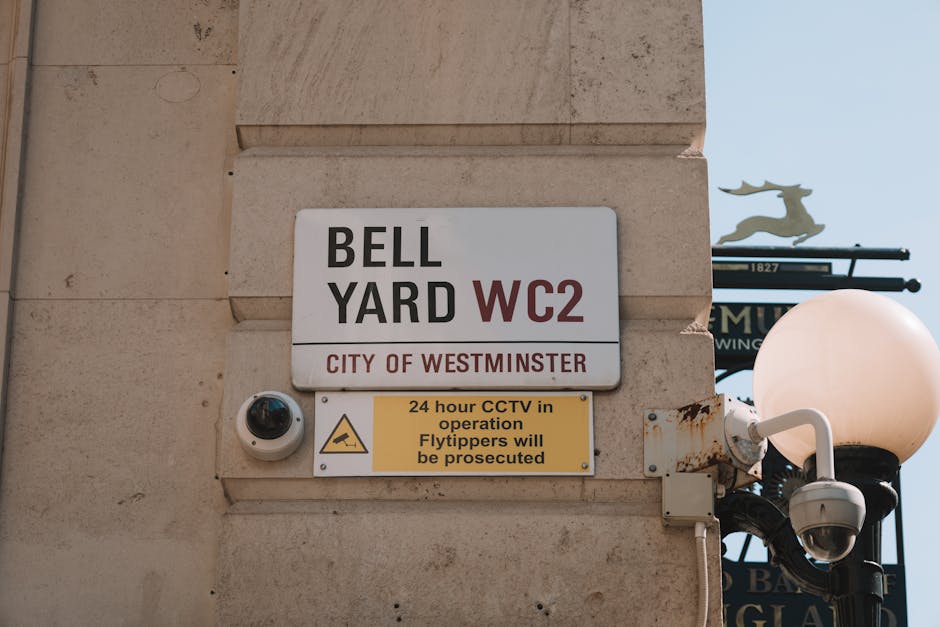
What to Know About Westminster Council Rubbish Rules in WC2
If you live, work, or manage a property in WC2, rubbish rules are one of those things that only feel simple until you actually need to move a few bags, a sofa, or a pile of builder's debris. Then the questions start. Where can it go? When should it go out? What counts as fly-tipping? And what happens if you get it wrong?
This guide explains What to Know About Westminster Council Rubbish Rules in WC2 in plain English, with a practical focus on everyday waste, bulky items, recycling, skips, and the sorts of mistakes that can cause avoidable hassle. Truth be told, most issues come down to timing, sorting, and knowing which disposal route fits the job.
We will keep it local, useful, and realistic. If you are comparing disposal options, planning a flat clear-out, or trying to stay on the right side of local waste rules, this should help.
Table of Contents
- Why Westminster Council rubbish rules in WC2 matter
- How the rules work in practice
- Key benefits and practical advantages
- Who this is for and when it makes sense
- Step-by-step guidance
- Expert tips for better results
- Common mistakes to avoid
- Tools, resources and recommendations
- Law, compliance, standards and best practice
- Options, methods and comparison table
- Case study or real-world example
- Practical checklist
- Conclusion
- Frequently asked questions
Why Westminster Council Rubbish Rules in WC2 Matter
WC2 sits in a busy part of central London, where shared pavements, narrow access points, residents, offices, hospitality venues, and frequent deliveries all compete for space. That makes waste management more than a housekeeping detail. It affects safety, neighbour relations, building standards, and whether refuse can be collected without problems.
Local rubbish rules matter because the wrong bag in the wrong place can attract attention fast. A bin left out too early, loose waste on the pavement, or unbagged rubbish from a clear-out can cause complaints or enforcement issues. And in a dense area like WC2, even a small mistake can become very visible. Nobody wants that at 7:30 on a Monday morning, with black bags sitting in the rain and passers-by stepping around them.
There is also the practical side. Following the right disposal method saves time, avoids double handling, and can reduce costs. If you sort items properly before collection, you are less likely to end up paying for avoidable delays, missed collections, or emergency removals. A bit of planning goes a long way.
For landlords, letting agents, office managers, and homeowners alike, the real value is consistency. Once you know the local rhythm of waste disposal, you can plan clear-outs around it rather than react to it.
How Westminster Council Rubbish Rules in WC2 Works
At a practical level, the rules usually come down to three things: how waste is presented, what type of waste it is, and how it leaves the property. That sounds obvious, but this is where people often trip up.
Household rubbish normally needs to be placed in the appropriate container and set out for the right collection. Recycling needs to be separated where required. Bulky items may need a special arrangement. Commercial waste needs a different approach altogether. And certain items, such as electricals, mattresses, fridges, or anything hazardous, may need a specialist route rather than a standard bin lift.
In WC2, access can also affect how rubbish rules are applied in real life. A basement flat with no lift, a top-floor office, or a building with limited frontage changes the job considerably. You may be dealing with stairs, loading restrictions, or a resident-only courtyard where waste cannot simply be left anywhere. That is where service planning matters as much as the rules themselves.
If you are unsure whether an item is acceptable in a normal collection, it is usually better to pause and check than to leave it out and hope for the best. Hope is not a waste strategy. It rarely ends well.
For larger clearances, many people in central London choose a professional route that handles sorting, lifting, and disposal in one go. If that is the direction you are considering, it can help to look at waste removal options alongside more specific services such as flat clearance or house clearance.
Key Benefits and Practical Advantages
Getting Westminster rubbish rules right is not just about avoiding trouble. It has a few very real benefits:
- Cleaner access and safer surroundings for residents, guests, or staff.
- Fewer collection issues caused by overfilled bags, mixed waste, or unsuitable items.
- Better recycling outcomes when recyclables are separated properly.
- Less stress during clear-outs, especially when time is tight.
- Lower risk of complaints from neighbours, building managers, or nearby businesses.
- More efficient disposal planning for moves, refurbishments, and office changes.
There is also a quieter benefit that people only notice after the fact: the job feels under control. Once the waste is sorted properly, the rest of the move or clearance usually runs more smoothly. You do not have to keep circling back to the same cluttered corner or half-finished pile.
For bigger items, the difference can be even more noticeable. A one-off furniture clearance, for example, becomes far simpler when items are planned for disposal in the right order instead of being dragged around the property three times.
Who This Is For and When It Makes Sense
This topic matters to a broad mix of people in WC2, and not just homeowners with a few black bags to move.
- Flat residents who need to dispose of everyday rubbish or bulky household items.
- Landlords and agents dealing with end-of-tenancy waste, leftover furniture, or abandoned belongings.
- Office managers clearing desks, boxes, shredding, and old equipment.
- Shop and hospitality operators handling regular waste or occasional large disposals.
- Builders and trades managing rubble, packaging, and renovation debris.
- Anyone preparing a move, when rubbish suddenly multiplies in the hallway. It happens.
It also makes sense if you are deciding between doing everything yourself and booking help. Smaller items may be easy to manage in stages, but once you have stairs, parking restrictions, awkward furniture, or a deadline, the logic changes quickly.
If the waste is mostly domestic, you may be comparing a household clear-out against a more focused service such as home clearance or mattress and sofa disposal. For business premises, business waste removal is often the more relevant route.
Step-by-Step Guidance
If you want to stay organised and avoid unnecessary back-and-forth, this simple process works well.
- Identify the waste type. Separate general rubbish, recycling, furniture, electricals, garden waste, and hazardous items.
- Check what needs special handling. Fridges, chemicals, paint, and some electrical items usually need more care than normal bags.
- Decide whether the waste is bagged, bulky, or mixed. This helps you choose between standard collection, a specialist disposal service, or a full clearance.
- Think about access. Are there stairs, no lift, a narrow street, or limited parking? In WC2, that detail matters a lot.
- Sort items before moving them. Put recyclable materials together, separate breakables, and avoid mixing clean reuse items with dirty refuse.
- Arrange the right disposal route. For example, general rubbish, furniture, appliance removal, builders' waste, or office clear-outs may each need a different plan.
- Prepare the collection point. Make sure there is a safe, legal, and accessible place for the waste to be loaded without blocking access.
- Keep the route clear. This saves time and reduces the chance of damage inside the property. A quick sweep at the end is worth it.
A practical example: if you are clearing an office in central WC2, you might need confidential shredding for paperwork, separate removal for IT equipment, and a clean-up pass for general waste. Trying to bundle all of that into one vague pile usually creates more work later.
Expert Tips for Better Results
In our experience, the best waste jobs are not the biggest ones. They are the ones that are planned with enough care to avoid friction.
- Do a quick waste audit first. Walk through the space and note every category of item before you touch anything.
- Use a simple "keep, donate, recycle, dispose" split. It sounds basic, but it cuts through indecision fast.
- Take photos of bulky items before booking collection. It helps prevent misunderstandings and saves time during quoting.
- Protect shared areas. Hallways, lifts, and door frames can take a knock during removals, especially in older WC2 properties.
- Schedule around access constraints. Early mornings, delivery windows, or building rules can affect what is realistic.
- Keep hazardous waste separate from day one. Do not leave it mixed in with general rubbish "just for now". That usually becomes a headache.
One small but useful habit: label boxes as you go. Even a scribbled marker note like "old cables", "paper shredding", or "recycling" makes the end of the job much easier. Little things, really.
Common Mistakes to Avoid
A lot of rubbish-rule problems are preventable. The tricky part is that they often seem harmless at first.
- Leaving waste out too early and creating an obstruction on the street or pavement.
- Mixing restricted items with normal rubbish, especially electricals or hazardous materials.
- Underestimating volume and ending up with bags squeezed into hallways or piled around exits.
- Forgetting access issues such as parking, lift limits, or building rules.
- Assuming all furniture can be treated the same way when some items need specialist disposal.
- Skipping a final check and leaving small debris behind after the main clear-out.
One of the most common errors in WC2 is treating a narrow central-London street like a suburban driveway. It is not. Space is tighter, timing matters more, and a quick, tidy removal usually works better than a prolonged one.
If you are moving larger items, it is also worth checking support pages such as fridge and appliance removal or furniture disposal so you can match the item to the right route.
Tools, Resources and Recommendations
You do not need complicated equipment to manage rubbish properly, but a few simple tools help more than people expect.
- Heavy-duty bags for general waste and mixed domestic rubbish.
- Labels or marker pens for sorting boxes and bag contents.
- Basic gloves and sturdy footwear for safe handling.
- A tape measure for checking whether bulky items will fit through doors or down stairwells.
- A phone camera to document bulky or awkward waste before booking removal.
- Storage boxes or stackable tubs for temporary sorting during a clear-out.
For most readers, the more important "resource" is knowing which service fits the job. A small, mixed household clear-out might suit a broader flat clearance, while a cluttered basement or attic may be better handled through loft clearance or garage clearance. If the job is outside, garden clearance can be a better fit.
For pricing questions, it helps to review pricing and quotes before you book anything. And if sustainability matters to you, which it probably should, the page on recycling and sustainability is worth a look.
Law, Compliance, Standards and Best Practice
Waste in London is not just a logistical issue; it is a compliance issue too. The exact rules depend on the waste type and the property setup, but the general expectations are familiar across the UK: dispose of waste responsibly, do not obstruct public areas, and use appropriate routes for special items.
For residents and businesses in WC2, a sensible approach is to treat waste management as part of property care. That means not leaving items in communal areas longer than necessary, not dumping waste outside a building because it is "easier", and not mixing hazardous materials into standard rubbish streams.
For commercial settings, compliance is even more important. Offices, shops, and hospitality premises may have regular collections, but they still need clear segregation for confidential paper, electricals, and general waste. If your business generates mixed waste, a structured service often makes more sense than ad hoc disposal. That is especially true where staff, cleaners, and contractors are all handling different parts of the process.
Best practice also includes insurance awareness and safe handling procedures. If you are booking help for a large or awkward clearance, it is sensible to review a provider's insurance and safety approach and, where relevant, their health and safety policy. It may sound formal, but it protects everyone involved.
For sensitive paper or archived records, it is also worth checking confidential shredding. In office environments, that one detail can prevent a lot of avoidable worry.
Options, Methods and Comparison Table
There is no single right way to deal with rubbish in WC2. The best method depends on volume, waste type, access, and urgency. Here is a straightforward comparison.
| Method | Best for | Pros | Watch-outs |
|---|---|---|---|
| Standard household collection | Day-to-day refuse and routine bags | Simple, familiar, cost-effective for small volumes | Not suitable for bulky or restricted items |
| Bulky waste or specialist collection | Sofas, mattresses, appliances, mixed household items | Handles awkward items cleanly | May need more planning and item separation |
| Professional clearance service | Flats, houses, offices, and large mixed clear-outs | Fast, hands-off, useful for stairs and tight access | Needs accurate item description and access details |
| Skip-based disposal | Building waste or larger project debris | Good for ongoing works and predictable volumes | Space, permit, and loading restrictions can apply |
| Self-haul to a disposal route | Smaller personal loads with the right vehicle | Direct control over timing | Time-consuming, physical, and easy to misjudge volume |
If you are unsure where your project sits, think about the number of lifting trips, the space in your building, and whether the load includes restricted items. That usually points you to the right method fairly quickly.
For renovation work, builders waste clearance is often the most practical choice. If your job is larger or ongoing, you may also want to compare it with waste removal overall.
Case Study or Real-World Example
Here is a realistic WC2 scenario. A small marketing office near Covent Garden is moving out at the end of its lease. The team has desks, chairs, cardboard, a few broken monitors, filing boxes, and a cupboard of old paperwork that should not just be tossed into general waste.
At first, it looks like "one van and a couple of runs". Then the details appear. The lift is tiny, the building has a narrow loading point, and the landlord wants the area left clean by lunchtime. There is also the issue of separating recyclable cardboard from general rubbish, plus arranging proper handling for confidential material.
The smartest approach in that situation is a planned clearance rather than piecemeal disposal. Paperwork goes to confidential shredding, furniture is grouped for removal, electrical items are kept separate, and the loading route is cleared in advance. The result is quieter, faster, and far less chaotic. No shouting down the corridor, no last-minute pileups, no awkward "can we leave this here for later?" conversations. Well, fewer of them anyway.
That kind of planning also helps with domestic clear-outs. A one-bedroom flat with an old sofa, a mattress, and several bags of mixed clutter can be handled smoothly if the waste types are identified early and the building access is checked before the job begins.
Practical Checklist
Use this checklist before you put anything out or book a collection.
- Have I identified every type of waste in the pile?
- Are there any hazardous, electrical, or restricted items mixed in?
- Do I know where the waste is allowed to be placed?
- Will the collection route block access, exits, or shared areas?
- Have I separated recyclable materials where possible?
- Is the item bulky enough to need specialist handling?
- Do I need a service for furniture, appliances, garden waste, or office materials?
- Have I checked the timing, parking, and loading situation?
- Is sensitive paper being handled securely?
- Have I reviewed quotes and service details before confirming?
If you can tick most of those off, you are in good shape. If not, slow down a bit. That pause usually saves time later.
Get a free quote today and see how much you can save.
Conclusion
Understanding Westminster Council rubbish rules in WC2 is really about being practical, tidy, and a little bit organised before the mess gets ahead of you. Once you know what needs separating, where items can go, and when specialist help makes sense, waste disposal becomes much easier to manage.
The big takeaway is simple: plan for the type of waste, the access you have, and the time available. That is the difference between a smooth collection and a stressful one. And in WC2, where space is precious and neighbours notice everything, smooth is worth aiming for.
If you are dealing with bulky items, awkward access, or a full property clear-out, it often helps to speak with a team that understands central London logistics. A bit of guidance now can save a lot of scrambling later. And honestly, that is the nicer way to do it.
Frequently Asked Questions
What should I know before putting rubbish out in WC2?
You should know whether the waste is general rubbish, recycling, bulky waste, or something that needs special handling. In WC2, access and timing matter too, because waste left in the wrong place can block shared areas or cause complaints.
Can I leave bags outside my property for collection?
Only if they are placed in a way that is allowed and safe. In busy central London streets, leaving bags out too early or in the wrong spot can create obstruction issues. It is better to follow the correct collection process for your building or service.
What happens if I mix hazardous items with normal rubbish?
That is a bad idea, to be blunt. Hazardous items should be kept separate and handled through the correct route. Mixing them with normal waste can create safety risks and may cause the collection to be refused or delayed.
Are sofas and mattresses treated as ordinary waste?
Usually not. Sofas and mattresses are bulky items and often need a dedicated disposal route. If you are clearing a flat or house, it helps to use a service that specifically handles these items rather than guessing.
Do I need a separate approach for office rubbish?
Often yes. Offices may generate confidential paper, IT equipment, cardboard, and general waste, all of which can need different handling. A business-focused collection is usually the tidier option.
Is skip use always the best option for rubbish in WC2?
Not always. Skips can be useful for building waste and larger projects, but access, space, permits, and loading rules can make them less practical in some central London properties. Compare them with other options before deciding.
How do I know whether I need flat clearance or waste removal?
If you are clearing a whole flat or a significant amount of mixed household items, flat clearance is often the better fit. If you mainly need general waste taken away, broader waste removal may be more appropriate.
What is the safest way to dispose of old electrical items?
Keep them separate from general rubbish and use a route that accepts appliances or electricals. Fridges, monitors, and similar items can require specialist handling, so it is worth checking before moving them out.
Can I recycle all cardboard and packaging?
Not always all of it, but a lot of cardboard and clean packaging can often be separated for recycling. If it is contaminated, wet, or mixed with general waste, it may need a different route. A quick sort usually helps.
What is the best way to prepare for a bulky waste collection?
Measure the item, clear the access path, check where the item will be loaded from, and keep it separate from other waste. If you can, take a photo before booking. That makes the process much smoother.
What should I do if I am unsure about a particular item?
Do not assume. Set it aside and check whether it needs specialist handling. That small pause is often the difference between a clean disposal and a messy problem later.
Where can I find more practical help for disposal planning?
Useful starting points include pricing and quotes, recycling and sustainability, and service pages such as house clearance or office clearance depending on the type of job.